
Tolerance Stack‑Up in Fabricated Structures: Why Small Errors Become Big Problems
Tolerance stack-up in engineered assemblies
In complex engineered assemblies, dimensional variation typically doesn’t originate from a single component. Instead, small variations accumulate across multiple parts until the final assembly no longer aligns as intended. This process is known as tolerance stack‑up. It occurs when individual dimensional tolerances combine across a series of components, sometimes producing an overall variation much larger than expected. Specialist manufacturing knowledge becomes particularly important in fabricated structures where multiple welded components, machined features and structural interfaces must align correctly during final assembly. Understanding how these variations accumulate allows engineers to design structures that maintain functional accuracy while remaining practical to manufacture.
What is tolerance stack‑up?
Every manufactured component includes some level of dimensional variation. Even when parts are produced within specification, the allowable tolerance means the final dimension may differ slightly from the nominal design value. When several components are assembled together, these small variations can combine. If the variation from each part accumulates in the same direction, the total deviation can become significantly larger than the tolerance of any individual component. For example, a structural assembly may include several plates, brackets and mounting points. Each part may be within tolerance individually, yet the accumulated variation across the entire structure can create alignment issues when the final system is assembled.
Why fabrication increases tolerance stack‑up risk
Fabricated structures often involve many individual components that are cut, formed and welded together. Each step in the process introduces the potential for dimensional variation.
These effects do not necessarily cause defects, but they can contribute to tolerance accumulation if not considered during design.
How welding distortion contributes to variation
Welding distortion occurs when heat input causes uneven expansion and contraction within a structure. As welds cool, residual stresses can cause plates or structural sections to move slightly from their original position. Even small movements can influence the alignment of machined interfaces or mounting features located elsewhere in the structure. This is why experienced manufacturers carefully plan weld sequencing, fixturing and heat management to minimise distortion throughout the fabrication process.
The role of machining in controlling tolerances
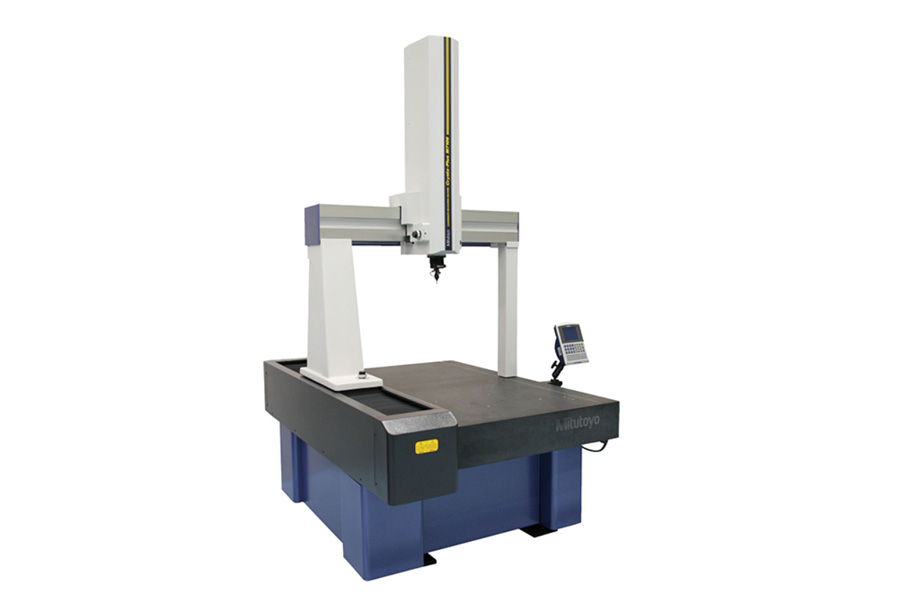
In many fabricated structures, critical features are machined after welding. This approach allows manufacturers to restore precise dimensions once the structure has been fully assembled. Machined interfaces may include mounting faces, bearing locations, sealing surfaces or alignment features required for integration with other systems. By machining these features after fabrication, manufacturers can effectively reset dimensional accuracy within the assembly, even if minor distortion occurred during welding.
Design strategies for managing tolerance stack‑up
Engineers designing fabricated structures can reduce tolerance stack‑up risk by considering manufacturing processes early in the design stage.
Common strategies include:
The most successful fabricated structures are developed through collaboration between design engineers and manufacturing specialists. When engineers understand how fabrication processes influence dimensional variation, they can design structures that remain robust even when small manufacturing variations occur.
Manufacturers capable of combining fabrication, welding and precision machining within the same facility are often able to manage tolerance stack‑up more effectively because they control the entire production process. This integrated approach helps ensure fabricated structures meet structural requirements while maintaining the dimensional accuracy needed for final assembly. Complex fabricated assemblies often require a combination of metal fabrication, controlled welding procedures and precision machining to maintain structural integrity and dimensional accuracy. Universal Fabrications integrates these capabilities within a single manufacturing environment, allowing welded structures to be fabricated efficiently before critical interfaces are machined to achieve final tolerances.
Related Articles
Case Studies
Related Services
Speak to a Manufacturing Specialist today. Call 02476 370 272 or send us an email.
Speak to a manufacturing specialist.
Call us today on 02476 370 272 or email us at email@universalfabrications.com